Food & wine
Which wine goes with dinner? A practical pairing guide
Fish, cheese, meat or vegetables: start with the flavours on the plate and choose a wine to enjoy alongside them.
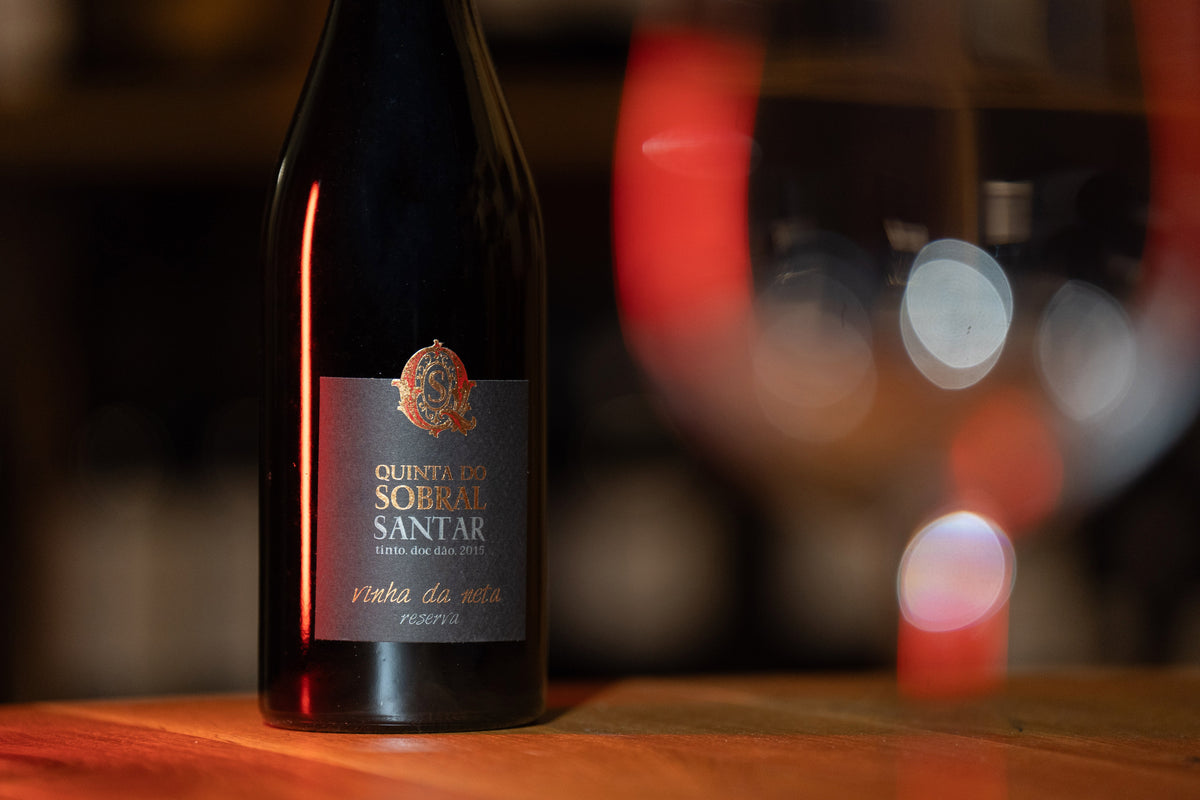
Choose wine for the whole dish: its sauce, intensity and cooking method. Grilled fish and fish in a creamy sauce may call for different styles. Your own preferences are a useful starting point.
Look beyond red or white
Ask three questions before opening a bottle. Is the dish delicate or rich? Is there a dominant ingredient such as lemon, cream or spice? Do you want a gentle match or a contrast? These questions are more useful than a universal rule about fish and meat.
A textured white can accompany poultry; a delicate red can work with some fish dishes. Colour alone does not tell you the wine’s body, freshness or texture.
Five starting points
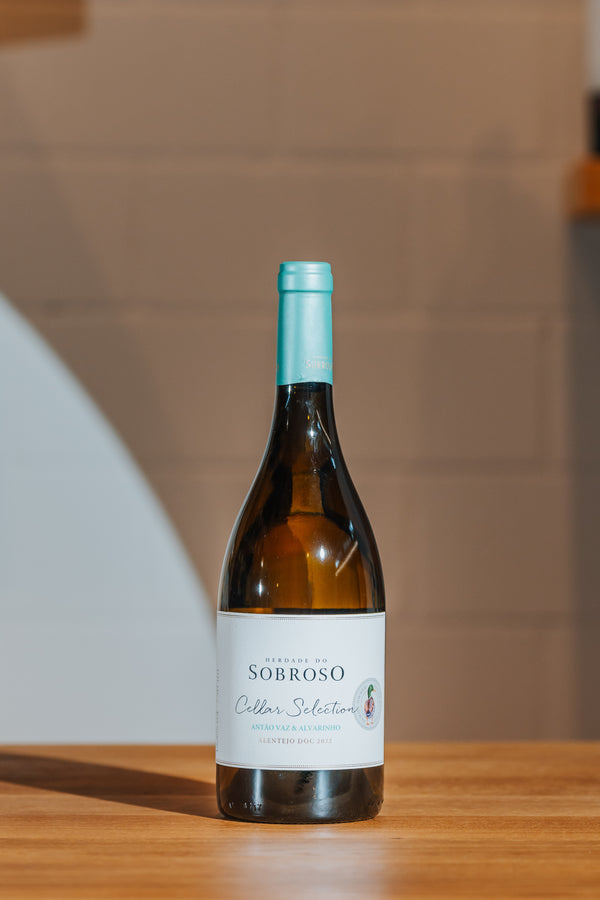
- FreshnessGrilled fish and shellfish: try a fresh white such as Alvarinho. A richer sauce may suit a fuller style.
- TextureMushrooms, rice and roasted vegetables: consider Encruzado or a delicate red. The browning in the oven matters too.
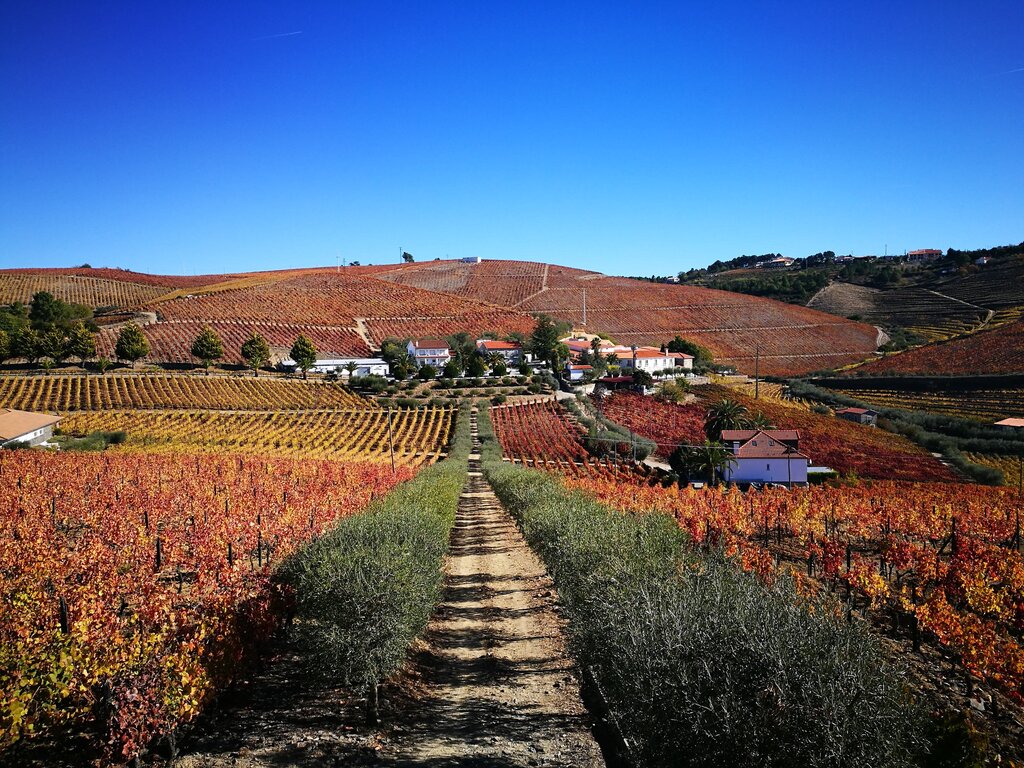
- IntensityRoast meat: explore reds from the Douro or Alentejo, comparing individual bottles rather than treating a region as one style.
- BalanceCheese and raclette: begin with a fresh white. For strongly matured cheeses, also consider a developed red or a suitable fortified wine.
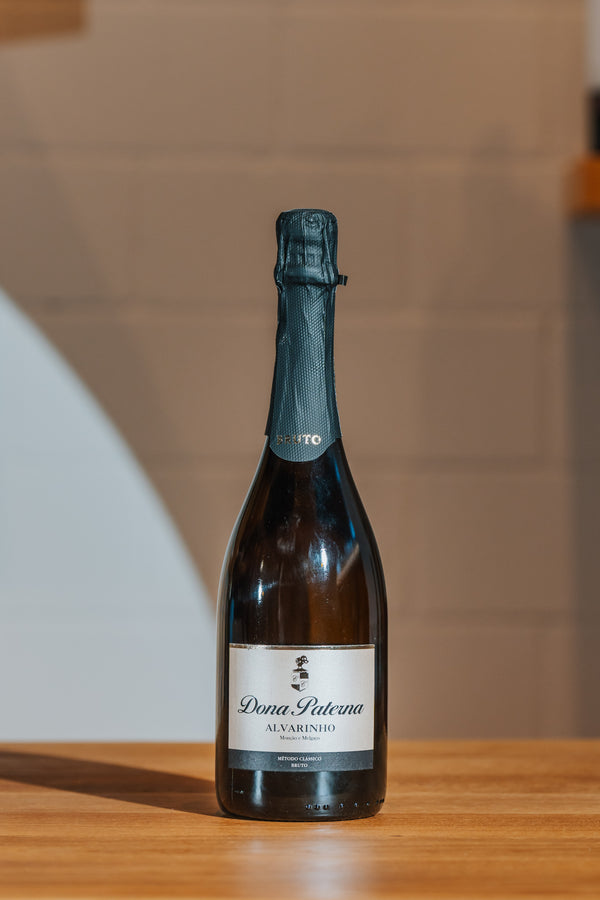
- CelebrationAperitifs and starters: sparkling wine can stay at the table beyond the toast.
Change one thing at a time
Taste a small sip before eating, then again after a mouthful. Acidity, salt, fat and sweetness in food affect how wine tastes. The goal is a combination you enjoy, rather than a perfect answer.
If the wine feels too intense, first reconsider its serving temperature or the amount of sauce. Keep a brief note of the dish, bottle and what worked. That makes the next choice easier.
Use the wine’s details
Compare region, grapes and tasting description. For a varied dinner, a complementary white and red may be more useful than several similar bottles. Explore our white selection and reds, or contact us with your menu and budget.
Does a good pairing have to cost more?
No. A suitable style and thoughtful serving temperature are often a better starting point than the highest price. Read our serving temperature guide.
Further reading: WSET — food and wine pairing principles. These pairings are editorial suggestions, not universal rules.